
Understanding the Marina Development Process: From Vision to Delivery
Understanding the Marina Development Process: From Vision to Delivery
Marina development is one of the most complex sectors within commercial real estate and construction.
Unlike traditional developments, marina projects must coordinate waterfront infrastructure, environmental considerations, operational logistics, regulatory approvals, storm resilience, customer experience, and long-term asset performance — often simultaneously.
That complexity is one reason many marina developments struggle with delays, cost escalation, fragmented coordination, or operational inefficiencies after completion.
Successful waterfront projects require more than construction expertise. They require a development strategy that aligns planning, operations, engineering, construction, and ownership objectives from the earliest stages of the project.
Why the Marina Development Process Matters
Many waterfront challenges are created long before construction begins.
Site layout decisions, operational planning, entitlement strategy, storage system coordination, and resilience planning all directly influence:
- Project feasibility
- Construction cost
- Operational efficiency
- Customer experience
- Long-term maintenance
- Revenue potential
- Future asset value
That is why successful marina development begins with a structured process.
For owners evaluating new waterfront opportunities, early alignment between feasibility, operations, and financial strategy is becoming increasingly important in modern Turnkey Marina Development planning.
Phase 1: Vision & Feasibility
Define What Should Be Built and Why
Every marina project starts with a vision. The feasibility phase helps determine whether that vision aligns with the realities of the site, market, operations, and investment strategy.
This phase is designed to reduce early uncertainty while creating a clearer path forward for ownership teams, consultants, and stakeholders.
Key components often include:
- Site analysis and due diligence
- Market demand evaluation
- Competitive positioning
- Preliminary storage strategy modeling
- Operational workflow considerations
- High-level financial alignment
- Cost range and schedule guidance
- Environmental and zoning review
The goal is not simply determining what can be built. It is identifying what should be built to support long-term operational and financial performance.
This early-stage work often overlaps with Site Acquisition strategy and long-term waterfront positioning considerations.
Phase 2: Planning, Entitlement & Preconstruction
Create an Executable Plan
Once feasibility has been established, the next phase focuses on converting the vision into a coordinated development strategy.
This phase aligns:
- Site planning
- Waterfront engineering
- Marina operations
- Structural coordination
- Entitlement strategy
- Budget refinement
- Construction sequencing
Marina permitting can be especially complex depending on the site and jurisdiction. Early coordination with environmental agencies, zoning authorities, and waterfront consultants is critical.
This phase may also include:
- Mixed-use integration planning
- Environmental reviews
- Cost validation
- Procurement planning
- Scheduling and phasing strategies
- Storage system coordination
- Infrastructure planning
One of the biggest risks in marina development is allowing design, operations, permitting, and budgeting to evolve separately. Integrated preconstruction planning helps reduce those coordination gaps before construction begins.
Projects evaluating automation or high-density drystack operations also frequently begin Lift System Selection discussions during this phase to ensure the structure and operational flow are aligned from the beginning.
Phase 3: Integrated Project Delivery
Build with Discipline and Accountability
Once construction begins, successful marina projects depend heavily on coordination and execution discipline.
Unlike traditional commercial projects, waterfront developments often require multiple highly specialized systems and consultants working simultaneously within constrained environments.
Integrated project delivery focuses on maintaining alignment across:
- Construction management
- Waterfront structural execution
- Infrastructure integration
- Storage system installation
- Operational workflow planning
- Budget and schedule management
- Safety oversight and quality control
This phase is where early planning decisions begin directly influencing real-world execution.
Marina developments that align engineering, construction, and operations early are often better positioned to avoid costly delays or operational compromises later in the project lifecycle.
Many waterfront owners are increasingly prioritizing integrated Design-Build Construction delivery models because they reduce fragmentation and improve accountability throughout execution.
Phase 4: Asset Handover & Operational Readiness
Deliver a Fully Operational, High-Performing Asset
Completing construction is not the finish line. A marina asset still needs to transition into a fully operational environment capable of delivering the experience and performance envisioned during planning.
This phase focuses on operational readiness and long-term functionality.
Key considerations often include:
- Systems testing and commissioning
- Staffing coordination
- Workflow alignment
- Operational training
- Launch support
- Revenue ramp-up planning
- Warranty transition
- Performance benchmarking
Operational readiness has become increasingly important as marina projects grow more sophisticated and customer expectations continue evolving.
Facilities that integrate operations planning early in development are often better positioned for smoother openings and stronger long-term performance.
This phase also frequently includes coordination with experienced Marina Management and operational advisory partners.
Phase 5: Asset Strategy & Value Optimization
Position the Asset for Long-Term Performance or Exit
The marina development process does not end once the facility opens.
Modern waterfront assets are increasingly evaluated through a long-term investment lens focused on operational performance, revenue optimization, and strategic positioning.
This phase helps ownership teams evaluate how the asset performs over time while aligning operations and positioning with broader investment objectives.
That may include:
- Operational performance analysis
- Revenue optimization strategies
- Competitive benchmarking
- Ownership hold strategies
- Recapitalization planning
- Disposition preparation
- Long-term asset positioning
As waterfront markets continue evolving, many marina owners are placing greater emphasis on flexibility and long-term liquidity strategies.
This often includes evaluating future Financing & Joint Ventures opportunities as well as broader Remarketing & Positioning strategies.
Why Integrated Marina Development Matters
One of the biggest challenges in waterfront development is fragmentation.
Too often, site planning, construction, marina operations, storage systems, and ownership objectives are treated as separate conversations. The result can be operational inefficiencies, cost escalation, or facilities that fail to perform as intended.
Integrated marina development helps align those systems from the beginning.
That alignment becomes especially important in projects involving:
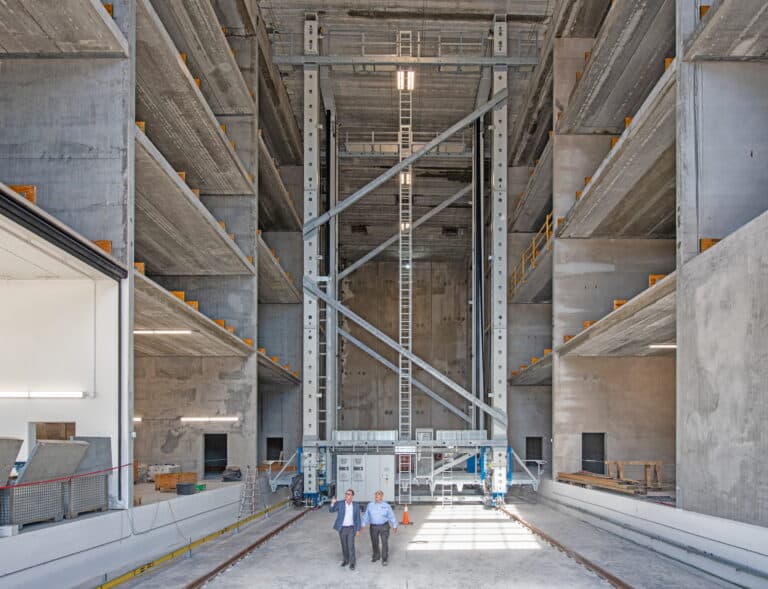
- Drystack storage
- Automation integration
- Mixed-use components
- Hurricane resilience
- High-density operational environments
- Long-term investment planning
The marina industry is becoming increasingly operationally sophisticated. Projects that coordinate these systems early are often better positioned for long-term success.
The Marina Partners Approach
Marina Partners approaches waterfront development through a fully integrated process designed around long-term asset performance.
Rather than viewing planning, operations, automation, and construction separately, the team focuses on aligning all phases of development around operational efficiency, resilience, and ownership goals.
That process includes:
- Marina development has become increasingly complex, but that complexity also creates opportunity.
- Projects that successfully align planning, resilience, operations, engineering, and ownership strategy are often better positioned to deliver stronger long-term performance and waterfront value.
- As the marina industry continues evolving, the most successful developments will likely be those planned not simply as storage facilities, but as fully integrated waterfront assets designed for long-term operational success.
- To learn more about Marina Partners’ integrated marina development approach, Contact Us to start the conversation.
This approach helps ensure the project is not only designed and built effectively, but positioned to perform successfully over time.
Conclusion
Marina development has become increasingly complex, but that complexity also creates opportunity.
Projects that successfully align planning, resilience, operations, engineering, and ownership strategy are often better positioned to deliver stronger long-term performance and waterfront value.
As the marina industry continues evolving, the most successful developments will likely be those planned not simply as storage facilities, but as fully integrated waterfront assets designed for long-term operational success.
To learn more about Marina Partners’ integrated marina development approach, Contact Us to start the conversation.
Get in Touch
Ready to plan, build, or evolve your marina? Connect with Marina Partners to discuss drystack development, marina infrastructure, or integrated waterfront projects—delivered with clarity, accountability, and long-term performance in mind.